Robotic Cataract Surgery–Procedure, Benefits, Cost & Recovery Guide
Cataracts often develop slowly. One day, the newspaper looks faded. Night driving becomes more difficult because of glare. The eye’s natural lens has clouded over,
Nethradhama Super Speciality Eye Hospital


Humidity and poor hygiene increase the risk of eye problems during the monsoon. Follow these monsoon eye care tips to keep your vision healthy. Prevention is better than cure, especially when it comes to your eyes.

Monsoon brings moisture, dust, and dirty water. These increase the chances of infection. Eyes are sensitive and react quickly to irritants. Bacteria and fungi grow faster in this season. Rainwater can enter the eyes and carry germs. This can lead to redness, itching, or even more serious problems. People who wear contact lenses need to be more careful.
Lenses reduce oxygen supply to the eye and can cause serious problems if used for extended period of time. Many also suffer from seasonal eye allergies. These are triggered by dampness and air pollutants. Taking care of your eyes in the monsoon is simple but important. Keep your hands clean and avoid touching your face too often.
Touching your eyes with dirty hands spreads germs. Rubbing them can worsen irritation. Even a small itch can lead to an infection. Always wash your hands with soap before you touch your face. If something gets into your eyes, rinse with clean water. Do not use eye drops without asking a doctor. If pain or redness continues, see an eye specialist.
Waterproof makeup might last longer, but it isn’t ideal for the rainy season. Humidity makes it unstable. If it runs, the residue can enter your eyes and cause irritation. These products also trap dirt and moisture around your eyelids. That creates the perfect condition for eye infection. It’s best to avoid thick kajal, mascara, or liners during this time. If you choose to wear makeup, keep it minimal. Wash it off gently before sleeping using clean water or a soft cloth. Let your eyes breathe when possible.
Wearing contact lenses in the monsoon can bring more risk than comfort. Rainwater is not clean. It may carry tiny particles or bacteria that get stuck behind the lens. This can make your eyes red or itchy. Humid air increases the risk of microbial contamination if lenses or cases are not properly dried and cleaned.
Glasses are a safer option until the season changes. But if you must wear lenses, clean them carefully. Use fresh solution, wash your hands before handling, and never sleep with them on.
Water splashes on roads carries germs. Avoid getting rain directly into your face. Use an umbrella or a raincoat with a hood when outside. If you ride a two-wheeler, wear glasses to protect your eyes. After reaching home or office, wash your face with clean water. These simple monsoon eye care tips can prevent many common infections.
Blinking keeps your eyes moist and removes dust. People often blink less while using digital devices. This leads to dry eyes or strain. During the monsoon, most people spend more time indoors using phones or laptops. Remember to blink regularly. Follow the 20-20-20 rule: every 20 minutes, look 20 feet away for 20 seconds.
Sharing personal items is not safe for your eyes. Germs spread easily through towels, napkins, or makeup. Keep your belongings clean and dry. Wash towels often and dry them in sunlight. Never share contact lens cases, solutions, or anything that touches your eyes. These habits lower your chance of catching infections.
Strong immunity helps your body fight infections. Vitamins A and C are good for your eyes. Eat foods like carrots, oranges, spinach, and flax seeds. These foods help reduce inflammation and keep your vision healthy. Drink enough water and avoid oily or junk food. A healthy diet supports better eye care in monsoon.
Many people face redness, itching, or watery discharge in the rainy season. Infections like conjunctivitis spread fast. Fungal problems also increase due to moisture. Allergies are common because of air pollution and dampness.
People with diabetes must take extra care. Early signs should not be ignored. Treating problems early prevents them from getting worse. Follow these monsoon eye care tips daily to reduce the risk. If symptoms last more than two days, visit a doctor.
Monsoon makes your eyes more prone to irritation and eye infection. Dust, moisture, and dirty water all play a role. Even daily habits can add to the risk if not handled carefully.
If you have been out in the rain, wash your face and eyes as soon as you get home. Use clean, filtered water.
Keep your towels and pillowcases fresh. Damp fabric can hold bacteria. Dry your sheets and clothes well after every wash.
Wipe your face with a soft, clean cloth. Don’t rub your eyes, even if they itch. It spreads germs.
Never use eye drops without asking your doctor. Some drops can do more harm than good.
Throw out old or shared eye makeup. Don’t reuse contact lens solution. These can carry infection.
Redness, itching, or blurred vision should not be ignored. Act early before it worsens.
Eyes often suffer quietly during the rainy season. But you can prevent most issues by being careful. Clean habits matter. Good food helps. Staying alert to early signs is key. Taking care for your eyes in monsoon is not about doing more. It’s about doing things right. Small steps like using glasses, keeping hands clean, and eating fresh food go a long way.
Avoid things that seem harmless, such as rubbing your eyes or sharing towels. They can cause infections. If something feels off, act early. Most eye problems in the monsoon are avoidable. You just need to stay consistent. Let your eyes stay safe, clear, and comfortable, no matter rain or shine.
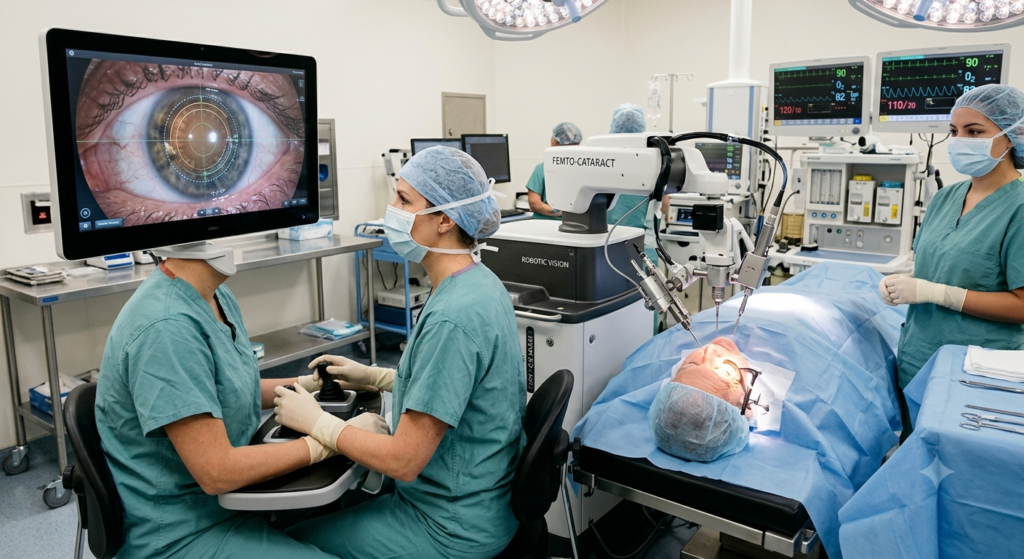

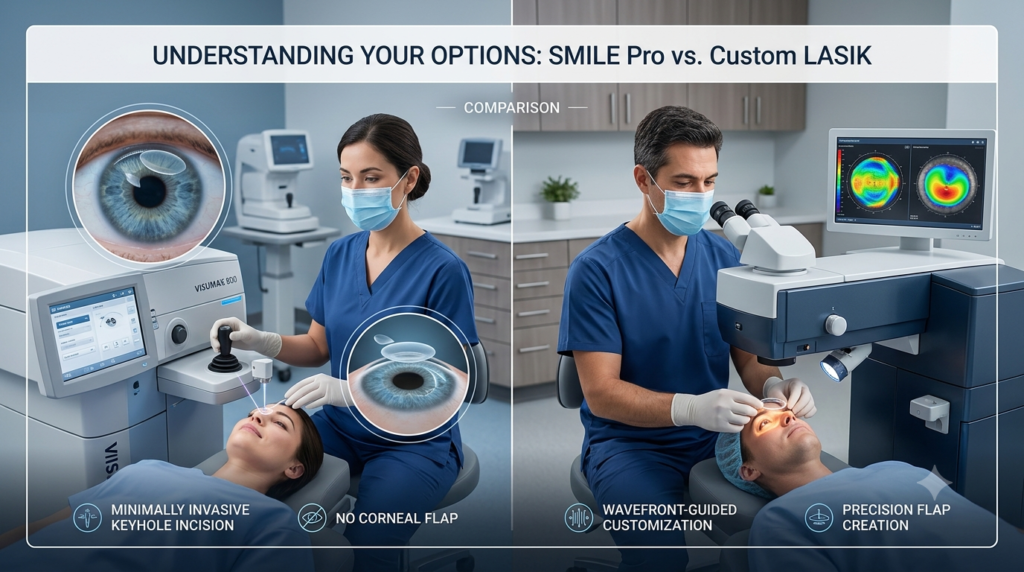


Cataracts often develop slowly. One day, the newspaper looks faded. Night driving becomes more difficult because of glare. The eye’s natural lens has clouded over,

Returning to a full work load after laser eye surgery is not simply a matter of waiting until the discomfort clears. For engineers, the real
For software engineers, analysts, and product managers, vision is not incidental to the job — it is the job. Between dual-monitor setups, long code reviews,

We often take our sight for granted right up until a vision problem develops. Whether you are dealing with a sudden influx of floaters or
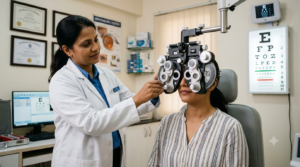
Most people wait for their vision to become blurry before they ask for help. They squint at road signs or hold their phones at arm’s
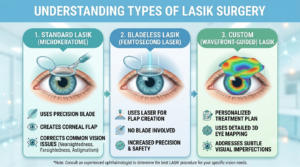
Reaching for glasses first thing in the morning is a routine most patients want to break. Modern refractive care makes this possible. Understanding your clinical